The Legislation and Its Trigger
California Senate Bill 611, signed into law in 2016, was the state's direct legislative response to the National Transportation Safety Board's findings from the 2013 Lincoln Town Car limousine fire on the San Mateo–Hayward Bridge, in which a stretch limousine carrying a wedding party caught fire. The NTSB had faulted, among other things, the absence of mandatory periodic inspections for modified limousines operating under California charter-party permits. SB 611 closed that gap.
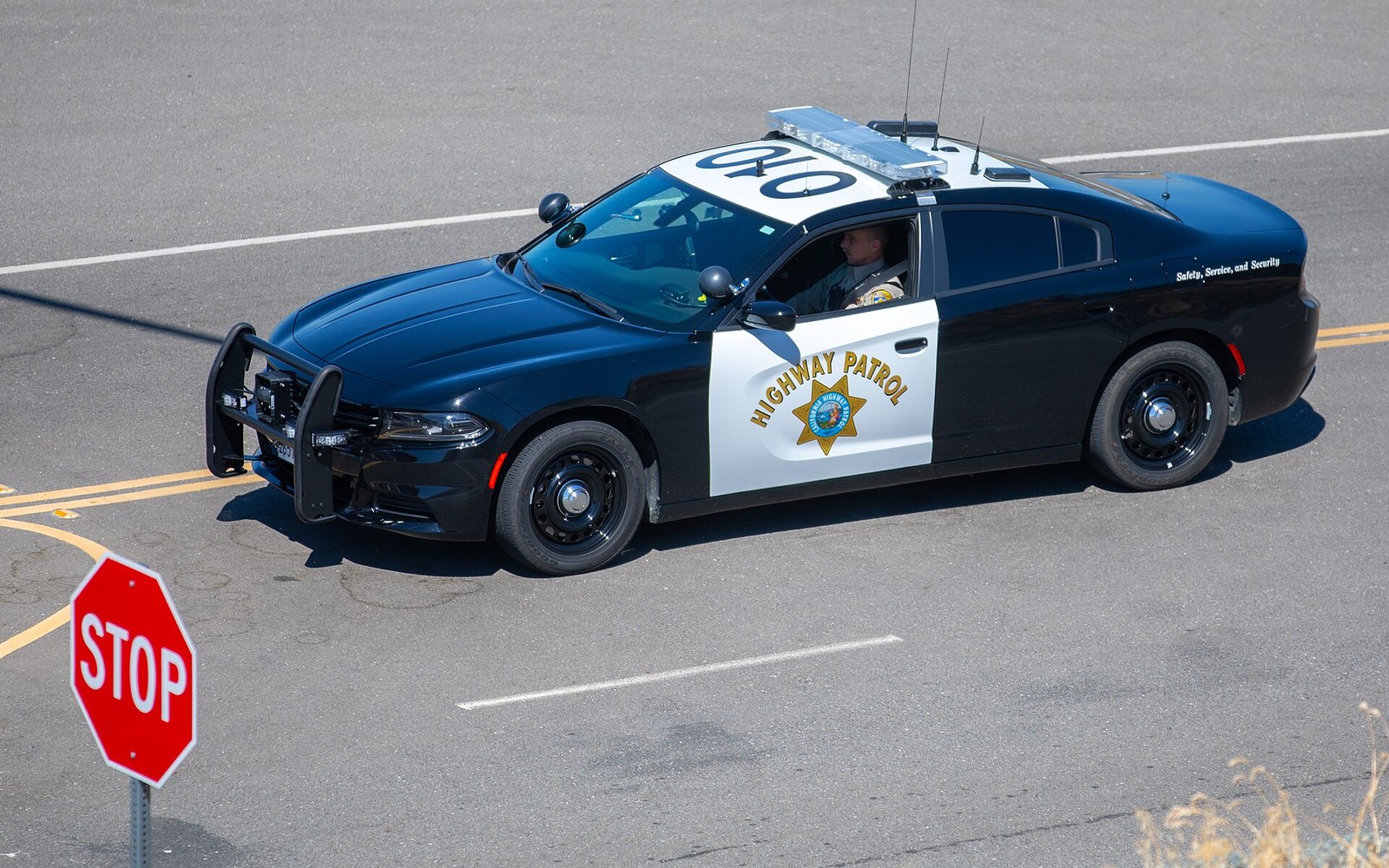
The law amended the California Vehicle Code to require that any limousine — defined in the statute as a passenger vehicle for hire, modified for extended length — with a gross vehicle weight rating at or below 10,000 pounds undergo an annual inspection conducted by a licensed California Highway Patrol inspector. That GVWR ceiling matters: vehicles above it were already subject to the CHP's commercial vehicle inspection program. The stretch limousine, built on a cut-and-extended Town Car or similar passenger-car chassis, typically sits well under 10,000 pounds GVWR and had therefore fallen outside the commercial inspection net entirely. SB 611 brought it in.
What the Inspection Covers
The annual CHP inspection prescribed under SB 611 is not a cursory safety check. Inspectors examine the modified body structure — the section added by the coachbuilder — for structural integrity, including floor pan condition, roof reinforcement, and door-latch function on any doors added during the conversion. Partition walls between the driver compartment and passenger cabin are checked for secure mounting. Fire-extinguisher presence and accessibility are verified, as are emergency exit windows, their labelling, and the force required to operate them.
Electrical systems receive particular attention because post-conversion wiring — added to power entertainment consoles, mood lighting, and auxiliary outlets — is the category of modification the NTSB identified as a fire-initiation point. Under SB 611, inspectors must confirm that any added wiring meets the standards applicable at the time of the vehicle's conversion and that no post-sale modifications have compromised the original installation. Operators who had allowed informal aftermarket additions — a second amplifier, a new LED strip run from the existing harness — found those installations flagged.
The inspection also covers tyre condition, brake performance, and lighting, which were already CHP inspection items for commercial vehicles. For stretch limousines, these checks had simply never been systematised before 2016.

Paperwork and the CPUC Layer
Passing the CHP inspection is a prerequisite for TCP permit renewal under the California Public Utilities Commission's post-SB 611 rules. The CPUC, which issues Transportation Charter-Party permits to charter-party carriers, updated its renewal documentation requirements to include a current CHP inspection certificate for each qualifying vehicle in the fleet. A carrier that could not produce a valid certificate for a stretch limousine at renewal time could not place that vehicle back on the permitted fleet roster.
This two-agency structure — CHP conducts and certifies, CPUC conditions permit renewal on certification — was intentional. It distributed the enforcement burden between the agency with inspection infrastructure and the agency with permitting authority, without requiring either to rebuild its processes from scratch.
What Operators Changed
For most TCP carriers operating stretch limousines in Santa Barbara County and elsewhere, SB 611 triggered a reckoning with deferred maintenance that the absence of mandatory inspection had allowed to accumulate. Some operators retired vehicles that failed or were unlikely to pass — a practical acceleration of the broader industry shift away from the traditional stretch, which had already been losing market share to Sprinter executive conversions and large SUVs. Operators who retained their stretched vehicles invested in pre-inspection remediation, particularly around electrical systems.
Fleet documentation practices also changed. Prior to SB 611, a vehicle's modification history was often held informally or not at all. The new inspection regime created pressure to retain coachbuilder certifications, wiring diagrams, and records of any post-delivery changes — documentation that, in the event of a future incident, also bears on liability and insurance coverage. The federal FMVSS final-stage manufacturer certification requirements had always implied that paperwork existed; SB 611 gave carriers a regulatory reason to keep it current and accessible.