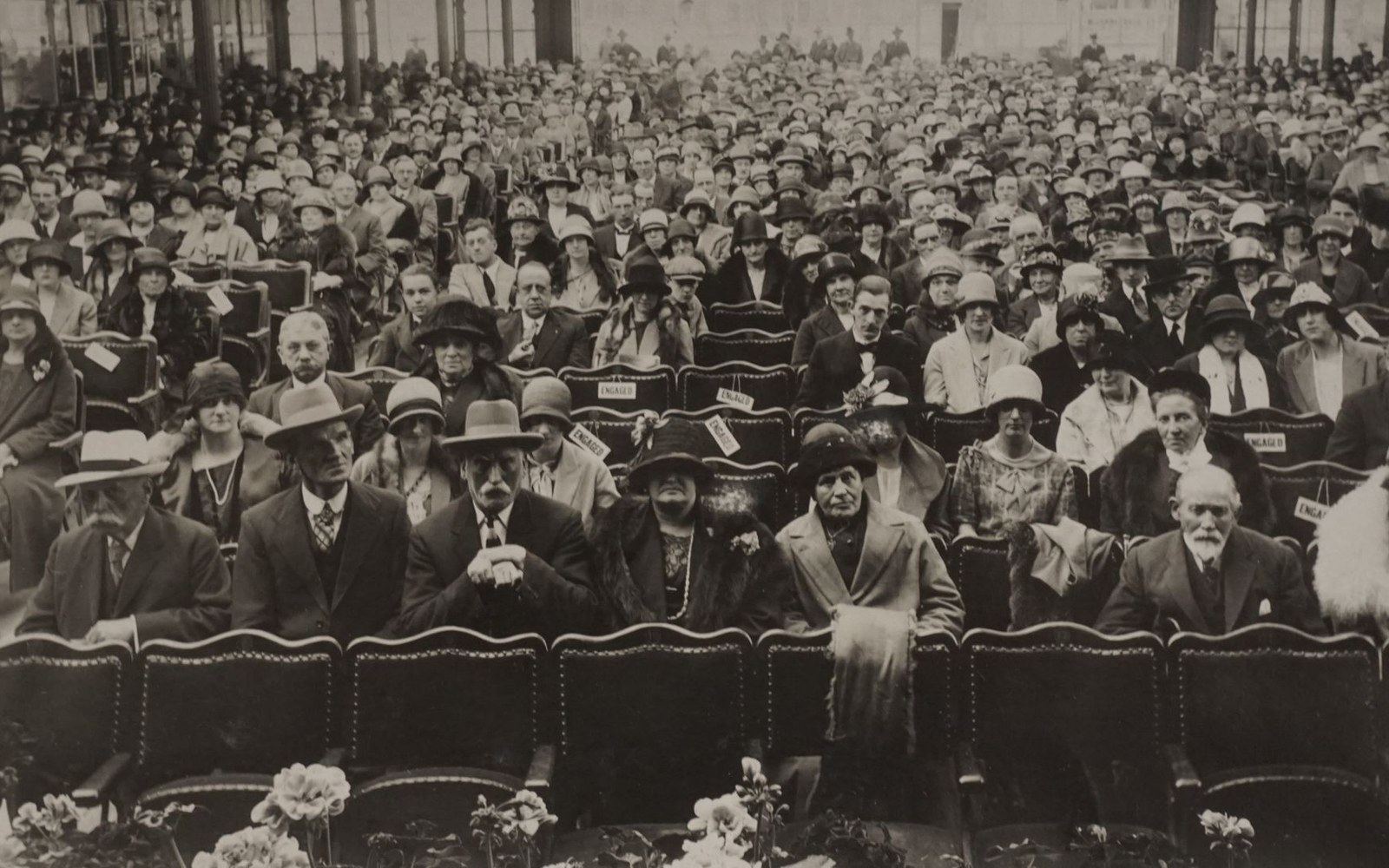
The Craft That Built the Standard
Before General Motors rationalized the body supply chain, the American automobile's highest expression arrived not from the factory floor but from a coachbuilder's atelier. Fleetwood Metal Body Company, founded in Fleetwood, Pennsylvania in 1909, was among the most consequential. Working first as an independent and then, after a 1925 acquisition, as a GM subsidiary, Fleetwood supplied the formal sedan and limousine bodies that gave the Cadillac Series 75 its silhouette. The long-wheelbase, division-window configuration those craftsmen standardized became the template the American chauffeured-car trade inherited wholesale.
Brewster & Company traced an even older lineage — carriage-makers in New York from 1810, pivoting to automobile coachwork in the early twentieth century. At its peak the firm bodied Rolls-Royce chassis for American clients and built custom town cars of unambiguous formality. Judkins, operating out of Merrimac, Massachusetts and closely associated with Lincoln, was smaller but no less exacting, producing coupe and limousine bodies on Lincoln L and K chassis through the late 1930s. The Lincoln coachwork Judkins produced was sufficiently regarded that Ford Motor Company listed Judkins bodies in its own sales catalogs.
What these firms shared was a production logic incompatible with scale. Bodies were constructed panel by panel, fitted to individual chassis, and finished by hand. Delivery times were long, prices were steep, and the client list was narrow by necessity. That model survived as long as wealthy American buyers would pay the premium — and as long as no alternative existed.
The Assembly Line Closes the Door
The alternative arrived gradually through the 1930s and decisively after the Second World War. GM's vertical integration of Fleetwood into Fisher Body's production system turned what had been bespoke coachwork into a factory option, available on a production schedule. The Fisher Body division's absorption of independent coachbuilders was part of a broader rationalization that made hand-built bodies economically irrational for all but a handful of ultra-luxury applications. Brewster ceased independent automobile production by 1937. Judkins closed as a coachbuilder by 1942. Fleetwood survived as a GM brand name long after its Pennsylvania craftsmen were gone, eventually becoming little more than a trim designation on the Cadillac DeVille and Eldorado.
The formal limousine body did not disappear with them — but its production logic changed completely. What the coachbuilders had done from raw steel, the postwar industry did by cutting and stretching factory-completed vehicles. A Cadillac Series 75 could be had as a factory item into the 1990s, but the more typical path ran through aftermarket shops that sectioned standard-wheelbase sedans, inserted body extensions, and recertified the result. These operations were not coachbuilders in the Fleetwood or Judkins sense; they were conversion shops, and the regulatory framework that eventually governed them — particularly the Federal Motor Vehicle Safety Standards applicable to final-stage manufacturers — reflected that distinction precisely.
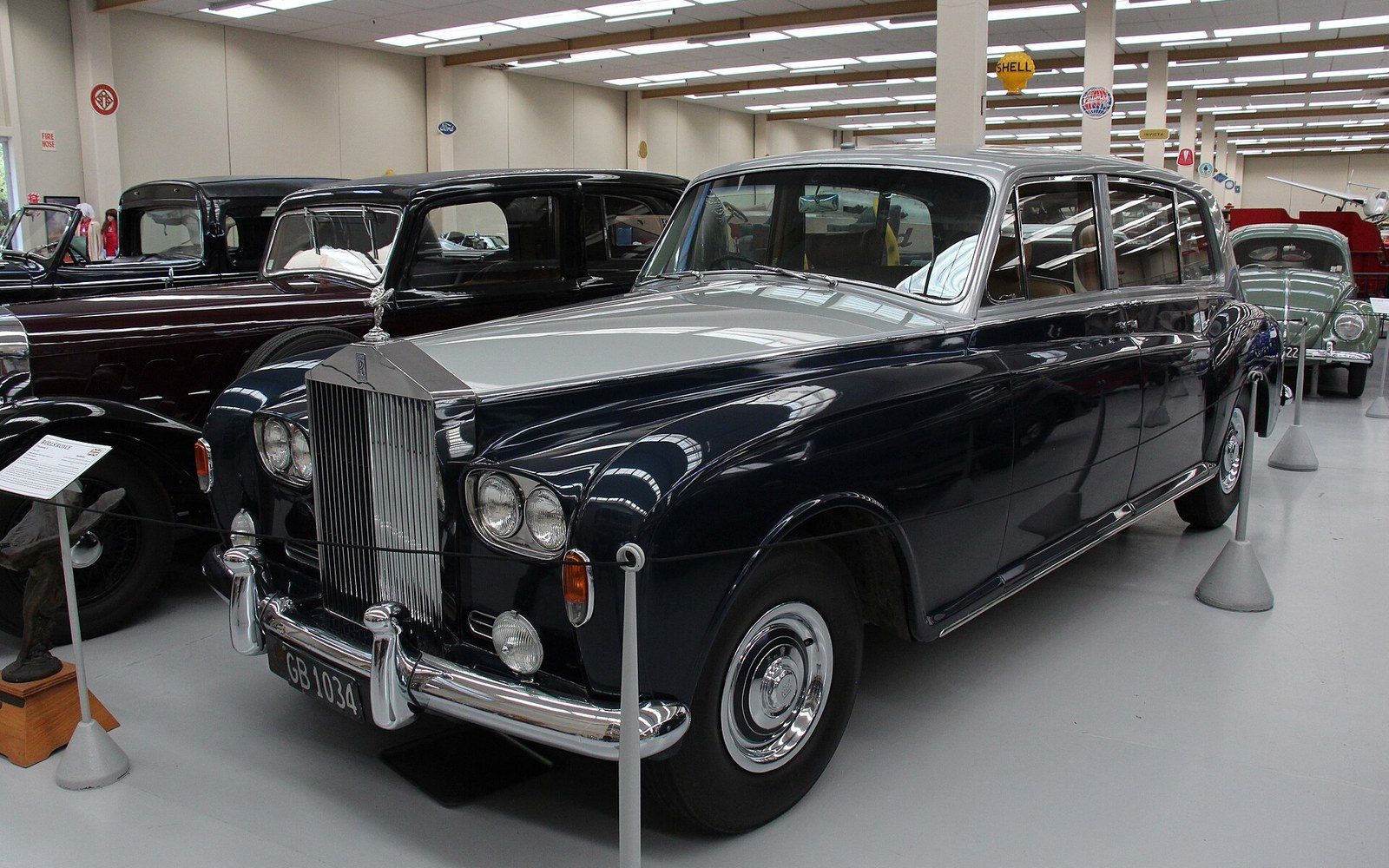

What the Conversion Shop Inherited
The transition matters to the working TCP fleet for reasons that are structural, not nostalgic. When Fleetwood built a limousine body, a single firm held design responsibility from the cowl rearward. When a conversion shop stretches a Cadillac XTS or transforms a Mercedes-Benz Sprinter into an executive passenger van, the liability and certification chain is divided: the original equipment manufacturer certifies the base vehicle, the final-stage manufacturer certifies the modified portions, and the FMVSS framework attempts to hold that seam together. The 2013 limousine fire on the San Mateo–Hayward Bridge in California — examined in subsequent NTSB findings — made clear that the seam could fail in ways the original coachbuilders' integrated approach did not invite.
The names Fleetwood, Brewster, and Judkins persist in the industry's historical memory because they established what a formal limousine was supposed to be: long, silent, divided from the driver, built to a standard rather than improvised to a price point. The conversion trade that replaced them has been more flexible, more democratic, and considerably less tidy. The vehicles on the 154 and 101 corridors today — Sprinter conversions, Escalade ESVs, the occasional surviving stretch — are the conversion shop's answer to a question the coachbuilders thought they had already settled.