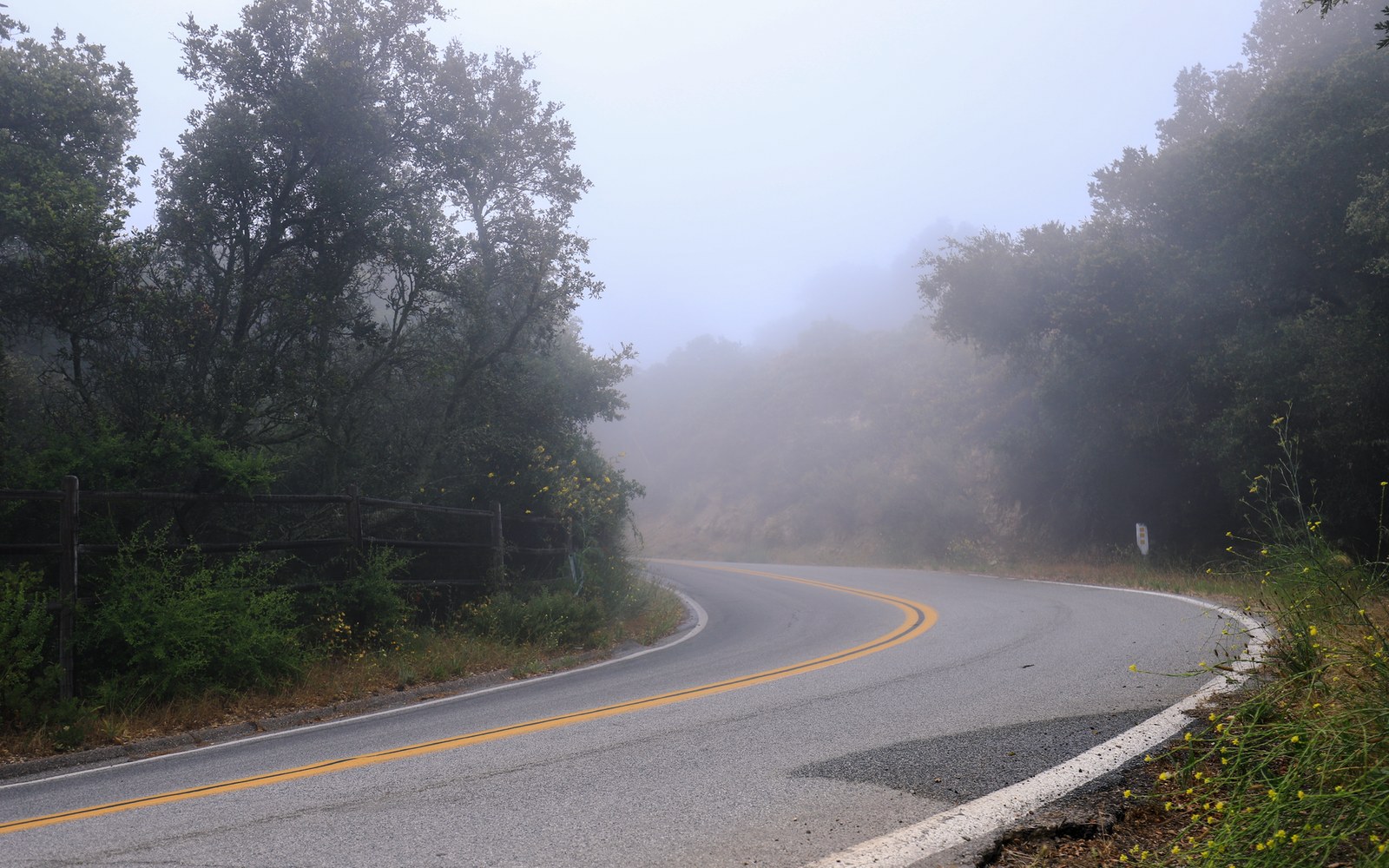
Same wine country, very different driveways — and the vehicle class follows the asphalt.
Two Appellations, Two Geometries
Ballard Canyon AVA, designated by the Alcohol and Tobacco Tax and Trade Bureau in 2013, runs along a single canyon corridor northeast of Solvang. The road threading it — Ballard Canyon Road — is a two-lane county route that narrows toward its upper reach, offers minimal pullouts, and becomes increasingly difficult as vehicle length grows. Turnaround space at individual tasting properties is scarce; a Sprinter van of standard length can navigate carefully, but a stretched sedan or a mini-coach commits to the full canyon before finding room to reverse course.

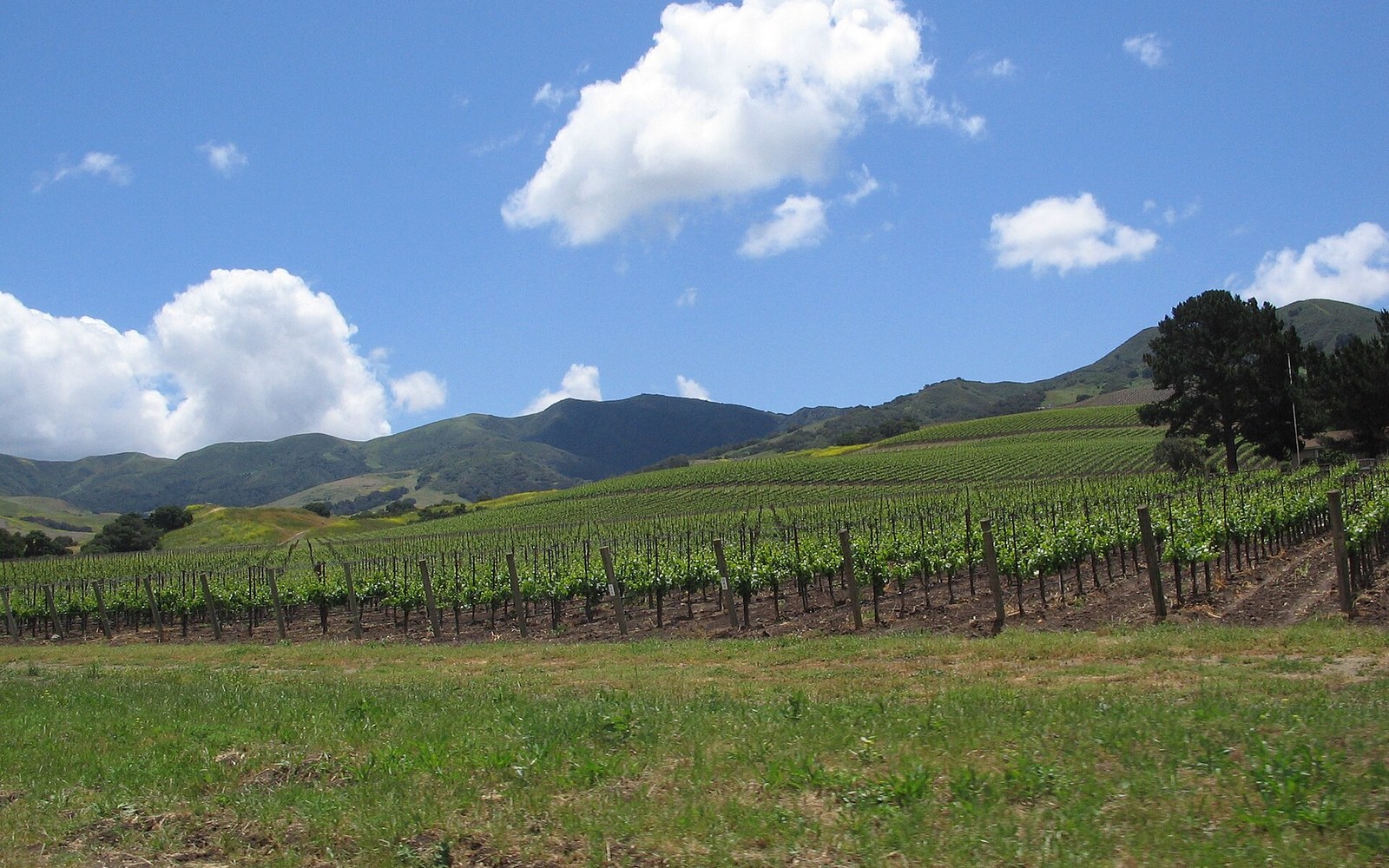
The Sta. Rita Hills AVA, established in 2001 and stretching west of Buellton toward Lompoc, presents a contrasting geometry. Santa Rosa Road and its lateral connections traverse open benchland — flat, comparatively wide, and maintained by Santa Barbara County as a collector-class route. Caltrans road classification data places corridors of this type in a category that accommodates larger commercial vehicles without the lateral-clearance anxiety of a narrow canyon. An operator running a full-size Chevrolet Suburban or even a ten-passenger Sprinter executive conversion across the Sta. Rita Hills mesa faces no structural barrier that the canyon imposes.
The practical consequence is a vehicle-class split. Ballard Canyon favors the Cadillac Escalade ESV or a standard-length Suburban — vehicles that leave adequate margin on a tight road and can use a private driveway as a turning point without blocking it. Sta. Rita Hills accepts a larger footprint: the executive Sprinter, the occasional mini-coach moving a trade group, vehicles whose GVWR and wheelbase would be liabilities one appellation to the east.
Operators who book both in a single day charter typically stage the canyon stop first while passenger fatigue is low and vehicle placement demands full attention, then move west for the mesa portion, where the road forgives a wider turn radius and a longer deadhead between properties.