
The Demand Spike
When Alexander Payne's Sideways opened in October 2004, the Santa Ynez Valley had established wine-country infrastructure but no particular national profile. Within months, that changed. The film — shot at real tasting rooms along Highway 154 and the back roads near Los Olivos, Solvang, and Buellton — functioned as an extended advertisement for a corridor that most out-of-state visitors had never considered booking travel to. The Santa Barbara County Vintners Association documented a measurable increase in tasting-room traffic in the year following the film's wide release, a pattern that hospitality researchers later labeled the "Sideways effect" in peer-reviewed literature. A 2009 study published in the International Journal of Wine Business Research by researchers Cuellar, Karnowsky, and Acosta quantified the anomaly: Santa Barbara County's Pinot Noir sales rose sharply relative to regional and national trends in 2004 and 2005, while Merlot — famously disparaged in the film — declined.
For TCP permit holders operating in Santa Barbara County, the sales curve translated directly into booking pressure. The corridor between US Route 101 and the inland valleys was not equipped, in late 2004, for the volume of group wine-country charters that began arriving by early 2005. Operators working out of Santa Barbara and Solvang reported inquiry volumes that outpaced their licensed vehicle capacity, and the geographic demands of the new demand were specific: visitors wanted access to the actual filming locations, which meant narrow canyon approaches, limited turnaround space, and tasting rooms that had not been designed with motorcoach drop-offs in mind.

The Infrastructure Gap
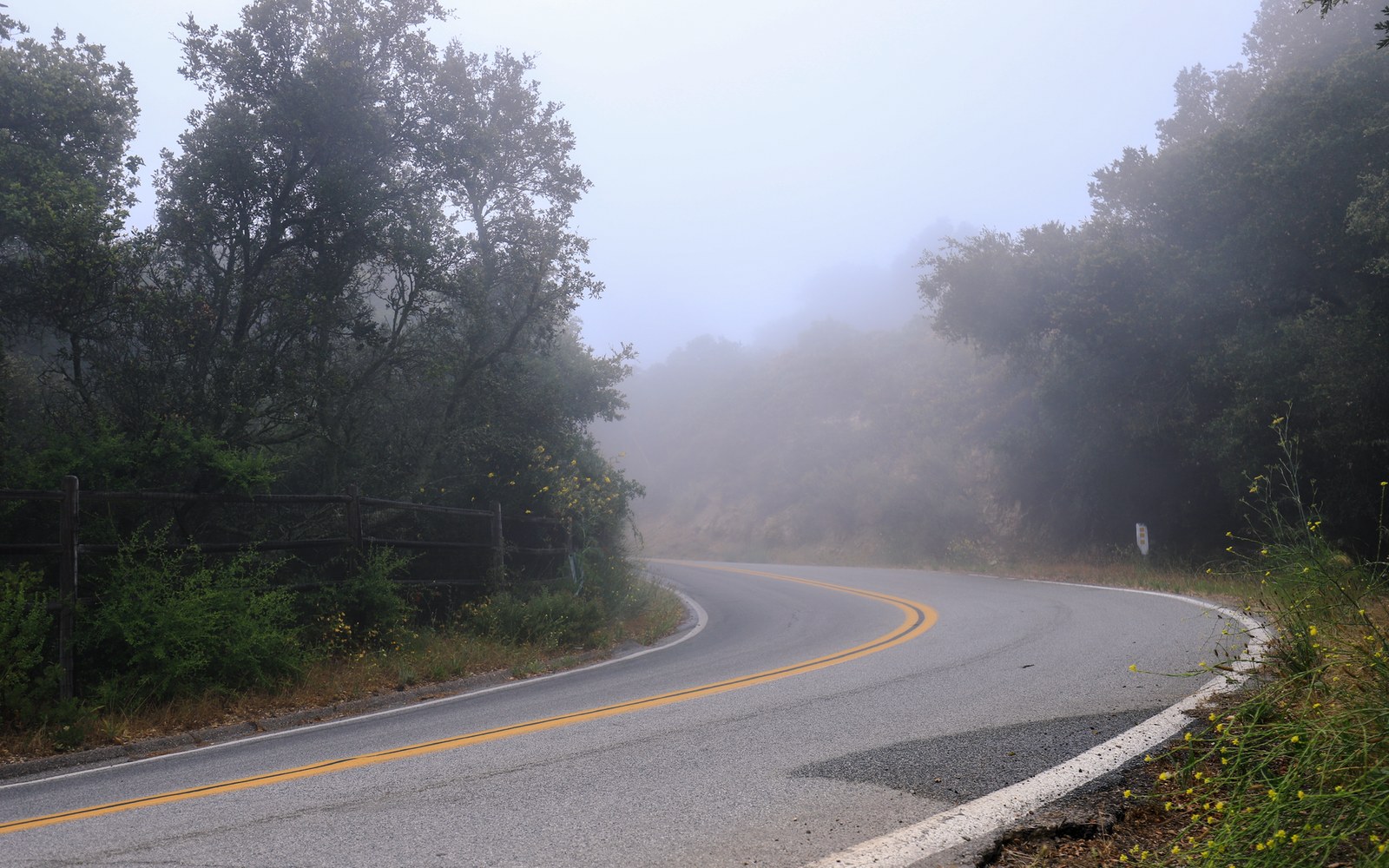
The film's production geography mapped almost exactly onto the hardest driving terrain in the county. The approach to Ballard Canyon, the ranch roads near Los Olivos, and the Santa Ynez Mountain footholds along Highway 154 are difficult at scale. Vehicles above a certain size cannot make the turns; scheduling three or four tasting-room stops in a single afternoon requires precise timing, because the tasting rooms themselves — mostly small-production operations when the film was shot — could not absorb large groups simultaneously.
TCP operators responded in two ways. Some leaned into executive van conversions — vehicles that could access narrow roads and still carry six to ten passengers — while others assembled loose coalitions, coordinating dispatching to stagger group arrivals across the same destinations. Neither response was formalized; the surge outpaced any organized industry reaction. The California Public Utilities Commission, which issues TCP permits to charter-party carriers in California, does not track permitting volume by reason for demand, so the precise number of new permits filed in 2005 in direct response to the booking surge is not documented in public records. What is documented is that the Valley's tasting room count grew substantially in the years after the film's release, and transport demand tracked that growth.
The Long Tail
The Sideways effect did not fade the way a typical promotional campaign does. Academic hospitality research published as late as 2012 continued to find that the film influenced visitor itinerary decisions for the Santa Ynez Valley — a durability explained partly by the film's continued availability on home video and streaming platforms, and partly because the locations themselves remained accessible and largely unchanged. Regions designated as American Viticultural Areas — the Sta. Rita Hills AVA, established in 2001, and the younger Happy Canyon AVA — gained national recognition in part because Sideways had put the county's wine geography on the map for consumers who would not otherwise have sought it out.
For the chauffeured-car trade specifically, the lasting consequence was a recalibration of expectations. Operators learned that a single cultural event — a film, a documentary, a prominent review — could restructure demand patterns faster than any marketing initiative. The booking infrastructure the Valley's TCP carriers built in 2005 and 2006 to handle Sideways traffic became the foundation for the corridor's current wine-country charter economy.