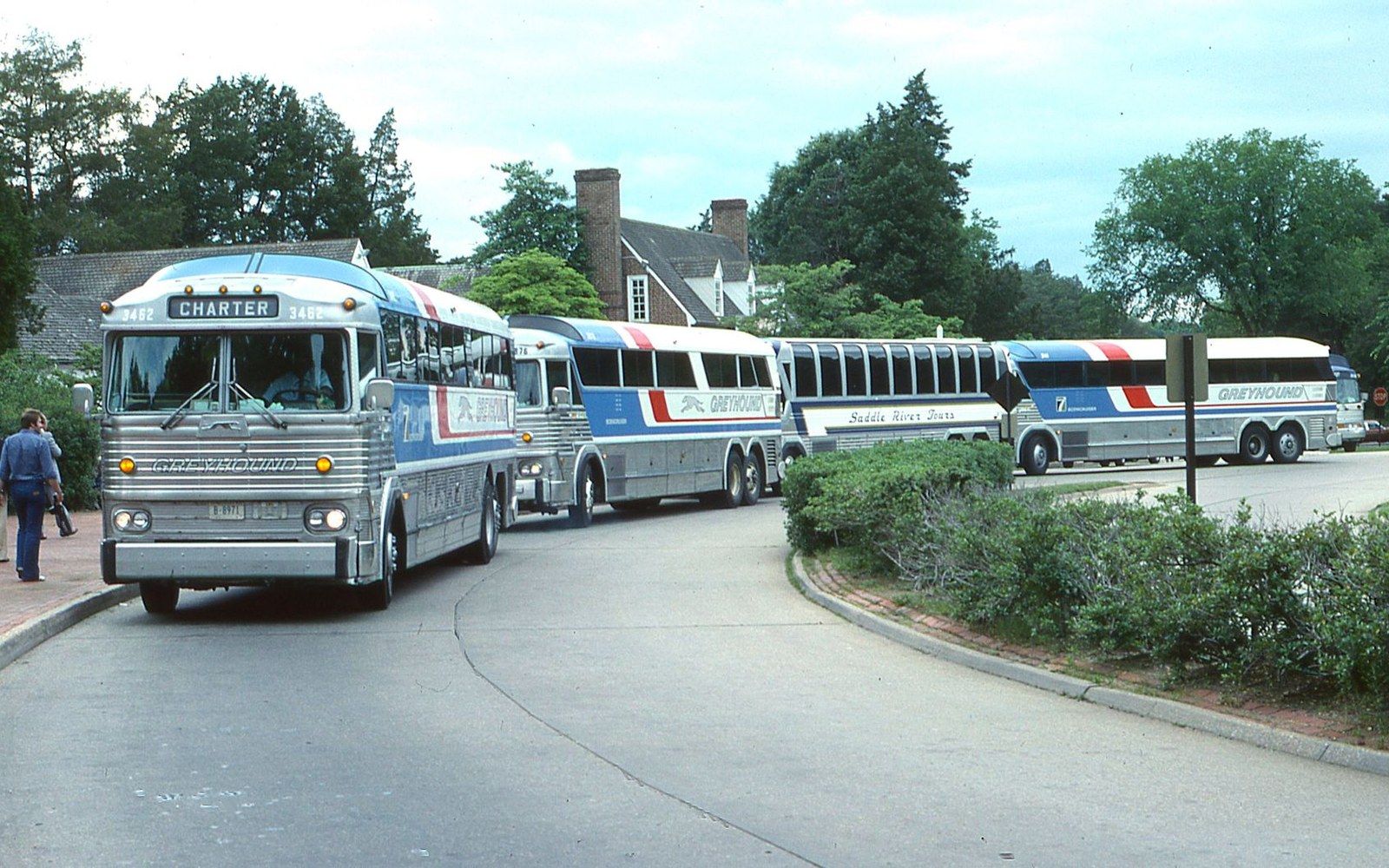
The Capacity Staircase
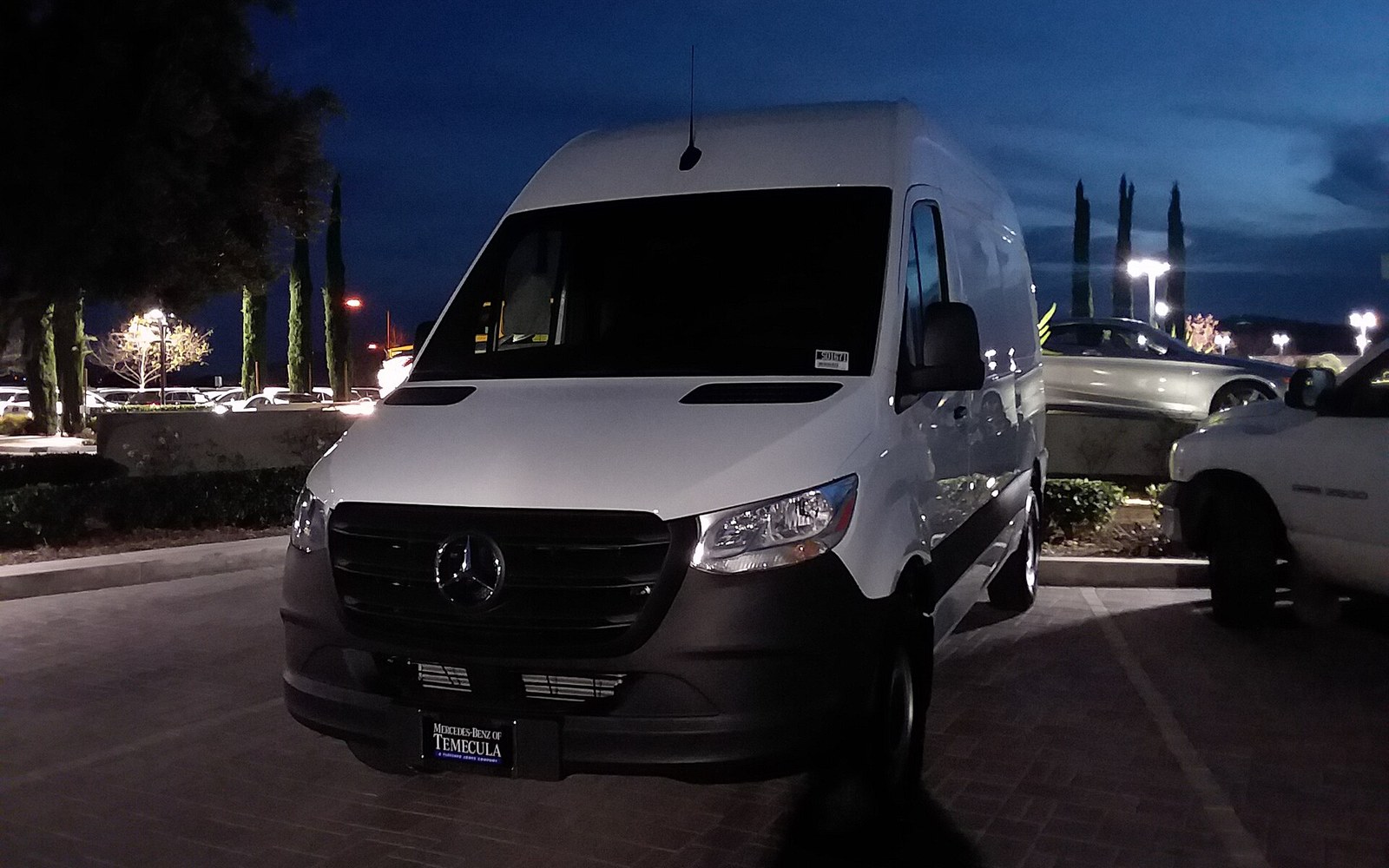
A Mercedes-Benz Sprinter in executive conversion seats nine passengers comfortably. At ten, the vehicle math breaks down and the regulatory math gets harder. California law draws its first meaningful line at sixteen passengers: above that threshold, the driver must hold a Commercial Driver's License with a passenger endorsement, and the carrier's insurance and CPUC TCP permit obligations shift accordingly. A 14-seat mini-coach sidesteps the CDL requirement but still demands a Class B TCP permit rather than the Class A that covers most black-car work. Each step up the capacity staircase adds compliance cost before it adds revenue.
The jump to a 56-seat motorcoach is a different business entirely. The vehicle requires a CDL with passenger and airbrake endorsements, a USDOT number assigned by the Federal Motor Carrier Safety Administration, and a TCP permit class that subjects the carrier to FMCSA safety ratings alongside CPUC oversight. Insurance minimums rise sharply — the Federal Motor Carrier Safety Administration sets a minimum of $5 million in liability coverage for carriers operating vehicles in that category.

Where Motorcoach Becomes the Answer
On the Highway 154 and 101 corridors, the motorcoach earns its keep on a specific set of runs. Corporate incentive groups arriving at Santa Barbara Municipal Airport in numbers above thirty have no practical vehicle alternative. The Chumash Casino Resort generates steady high-volume fixed-route demand that mini-coaches cannot absorb efficiently. Winery buyouts across the Santa Ynez Valley — where a single estate may host sixty guests for a harvest lunch — routinely require full-size coach capacity.
Operators serving these accounts typically do not own motorcoaches outright; deadhead costs on a 45-foot coach are steep, and utilization patterns in the wine-country economy are seasonal and lumpy. The market standard is a brokered arrangement with a regional motorcoach company, with the TCP-permitted local carrier managing ground coordination and the contracted coach company supplying equipment and CDL-credentialed drivers. The client sees one invoice; the regulatory and mechanical complexity remains behind it.