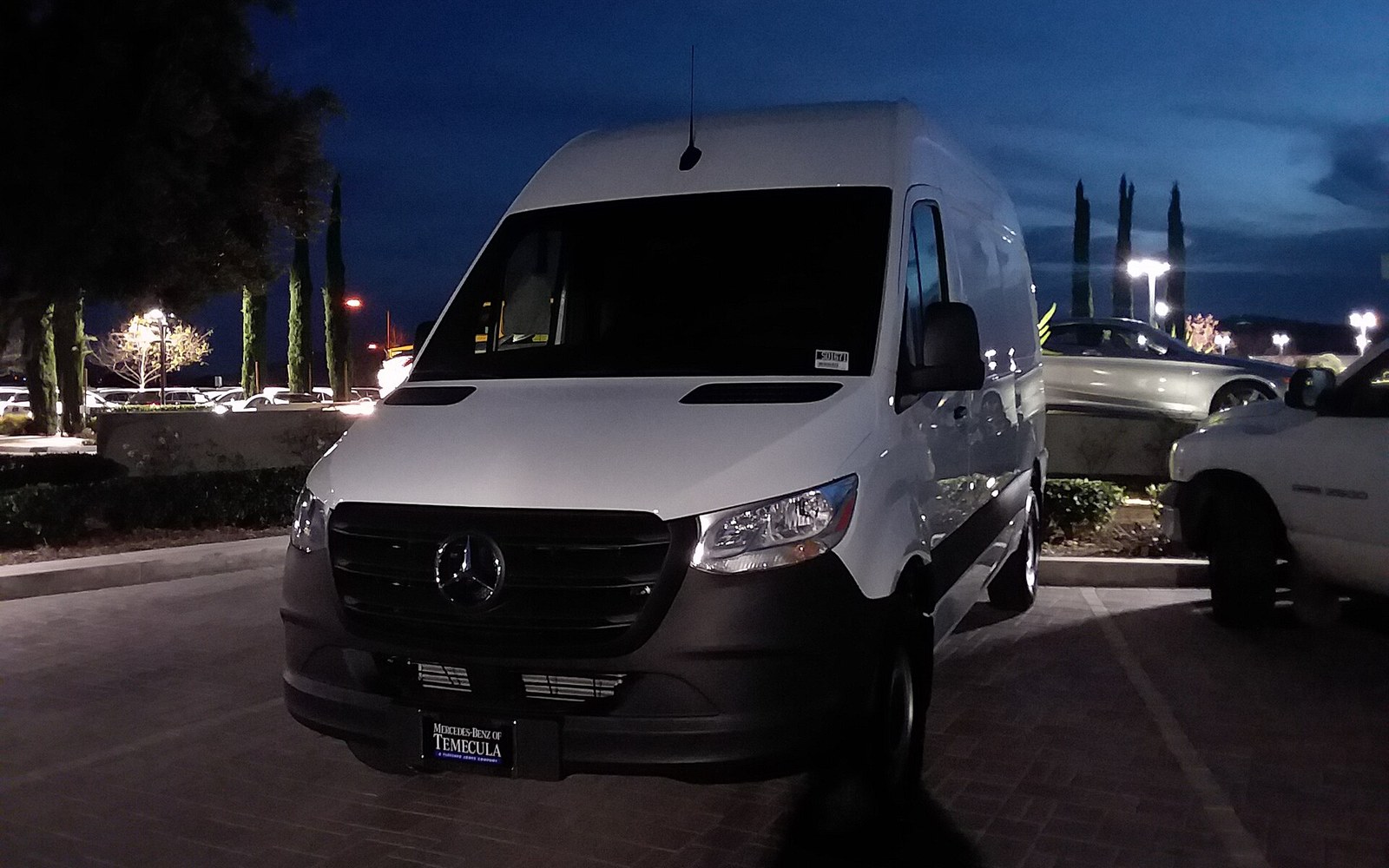
The shell and what gets done to it
Mercedes-Benz delivers the Sprinter 2500 high-roof to a coachbuilder as a bare cargo van or a stripped passenger shell — a finished exterior wrapped around an unfinished interior. The extended wheelbase variant measures 170 inches between axles, yielding a cargo bay roughly 170 inches long, 60 inches wide, and 72 inches tall. That standing-height interior is the reason the Sprinter dominates the executive-conversion segment: a 5-foot-10 passenger can walk the aisle without ducking.
The vehicle that enters a certified coachbuilder's bay is, in FMVSS terms, an incomplete vehicle. Once the builder closes out the interior, installs seating, and certifies the finished product, the company becomes a final-stage manufacturer — legally responsible for ensuring the completed vehicle meets all applicable Federal Motor Vehicle Safety Standards for the classification it now occupies. That responsibility is not trivial. Seat anchorage, door latches, occupant-protection geometry, and electrical systems all fall under federal scrutiny once the OEM's incomplete-vehicle certification is superseded.
Inside the conversion bay
A standard executive conversion of the extended-wheelbase Sprinter 2500 typically seats seven to ten passengers, depending on configuration. The most common layout places two rows of forward-facing seats behind a solid or partial partition, with a third row or a rear-facing jump seat at the back. Leather upholstery is standard in the commercial-grade product; stitching patterns and color palettes vary by builder.
The partition itself is a significant engineering decision. A full partition — floor to headliner, spanning the full width — isolates the driver completely and requires a pass-through window or intercom for communication. A partial partition, rising to shoulder height, retains sightlines while still creating a zone separation. Some operators request no partition at all, specifying the van for shuttle work where driver-passenger interaction is routine. Each configuration affects the seating count, the perceived privacy, and the California Public Utilities Commission classification under which the vehicle will operate as a TCP permit holder.
The electrical loadout is where executive conversions diverge most sharply from factory spec. A production Sprinter 2500 leaves Stuttgart with a 180-amp alternator and a modest 12-volt auxiliary circuit. A commercial conversion adds a second deep-cycle battery or an AGM (absorbent glass mat) auxiliary bank, an inverter converting 12-volt DC to 110-volt AC, multiple USB-A and USB-C outlets at each seat position, LED mood lighting on a dimmer circuit, and often a small flat-panel display with HDMI input. Total added draw varies, but a fully loaded conversion running climate, lighting, and charging simultaneously can sustain a 40-to-60-amp continuous load — a figure that Level 2 charging arithmetic makes relevant when operators consider the battery-electric eSprinter.
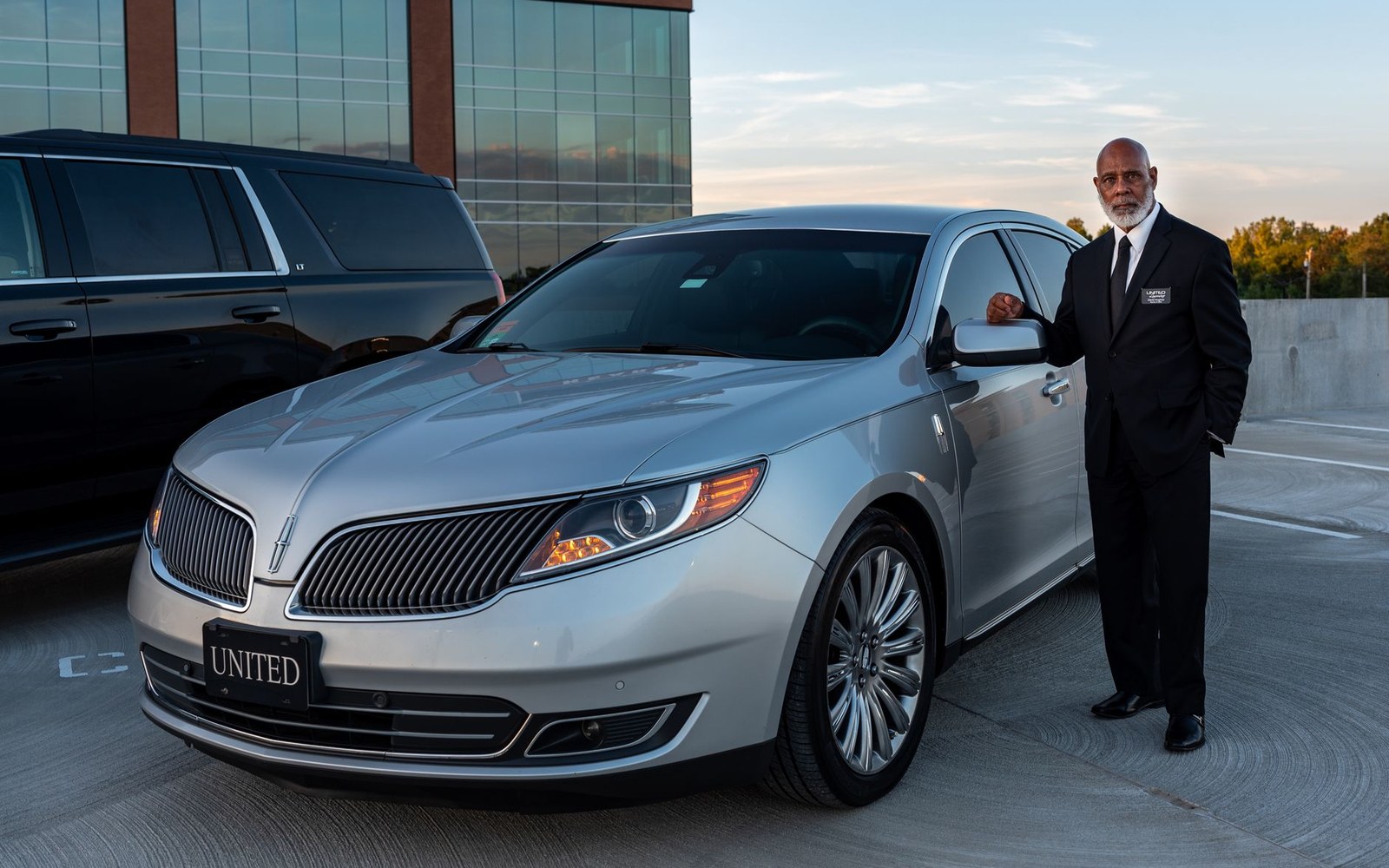
Flooring in the passenger compartment is typically LVP (luxury vinyl plank) or rubber-backed carpet, chosen for durability rather than appearance alone. OEM cargo floors are removed and replaced with a structural subfloor that both carries seat anchorage loads and provides cable routing for the electrical system. Tinted privacy glass is standard on the side and rear panels; it is installed either by the coachbuilder or specified as a factory option before the incomplete vehicle ships.
Who does the work
The aftermarket conversion market is not open to any fabricator. Builders who complete Sprinters for charter-party carriers must comply with FMVSS 208 occupant protection, FMVSS 207 seat anchorage, and FMVSS 302 interior flammability standards, among others, and must file the appropriate certification with the U.S. Department of Transportation. Established coachbuilders such as Midwest Automotive Designs and Limo Scene — names that appear regularly in NLA trade coverage — carry ongoing NHTSA certification and carry product liability for the conversions they sell. Operators who source a conversion from an uncertified fabricator inherit the compliance risk themselves.
A completed executive Sprinter 2500 carries a Gross Vehicle Weight Rating typically in the 8,550-to-9,050-pound range, depending on build. That figure matters in California: vehicles above 10,000 pounds GVWR trigger CHP commercial vehicle inspection requirements, and vehicles above 26,000 pounds would require a CDL — a threshold the Sprinter 2500 never reaches. For most TCP operators in the Santa Ynez Valley corridor, the Sprinter conversion hits a regulatory sweet spot: capable, compliant, and just below the thresholds that complicate daily operation.