From Icon to Liability
The American stretch limousine reached its commercial apex roughly in the late 1990s. Coachbuilders such as Federal and Moloney were producing hundreds of units annually on Lincoln Town Car, Cadillac DeVille, and Ford Excursion platforms, and proms, weddings, and corporate accounts drove consistent demand. The vehicle was essentially a cultural shorthand for occasion: long, black, tinted, unmistakable.
The structural decline began before any specific regulatory event. By the early 2000s the Town Car — the industry's preferred base platform — was losing favour with Lincoln, which discontinued it in 2011. Without a dominant, purpose-adjacent sedan to cut and stretch, coachbuilders faced a less cooperative palette of donor vehicles. SUV stretches, built on Chevrolet Suburban and Escalade platforms, partially filled the gap but introduced their own certification complications: the longer the cut, the more the original vehicle's crash structure, door pillar spacing, and rollover geometry departed from the Federal Motor Vehicle Safety Standards under which it had been homologated.
That problem had been latent for years. The NTSB began documenting it systematically after a series of fatal accidents in modified limousines. Its investigation of the May 2013 fire in which a stretch limousine burned on the San Mateo–Hayward Bridge in California — killing five passengers — found that the vehicle's fuel line modification, rear egress limitations, and partition configuration all reflected the absence of rigorous post-conversion inspection requirements. The NTSB's resulting safety recommendations to the U.S. Department of Transportation and state regulators called for annual inspections of modified limousines by certified technicians, mandatory seat belt retrofits, and standardised fire suppression requirements in altered compartments.
California moved on those recommendations relatively quickly. The state's 2016 limousine safety legislation, codified in Vehicle Code sections addressing charter-party carriers, imposed annual safety inspections on stretched vehicles administered through the California Highway Patrol, with TCP permit holders bearing both the scheduling burden and the compliance cost. The California Public Utilities Commission's Transportation Enforcement Branch gained additional authority to act on inspection non-compliance. For operators already running thin margins, that cost stack — inspection fees, any required remediation, documentation for the CPUC's file — made the economics of keeping an aging stretch in service materially worse.
The Sprinter Proposition
While regulatory pressure accumulated on the stretch side of the ledger, the Mercedes-Benz Sprinter was maturing into a commercially compelling alternative. By the early 2010s a new category of vehicle — the executive conversion van — had established itself as a premium product capable of serving the same day-charter wine-country and corporate clientele that had once rented stretches for group moves.
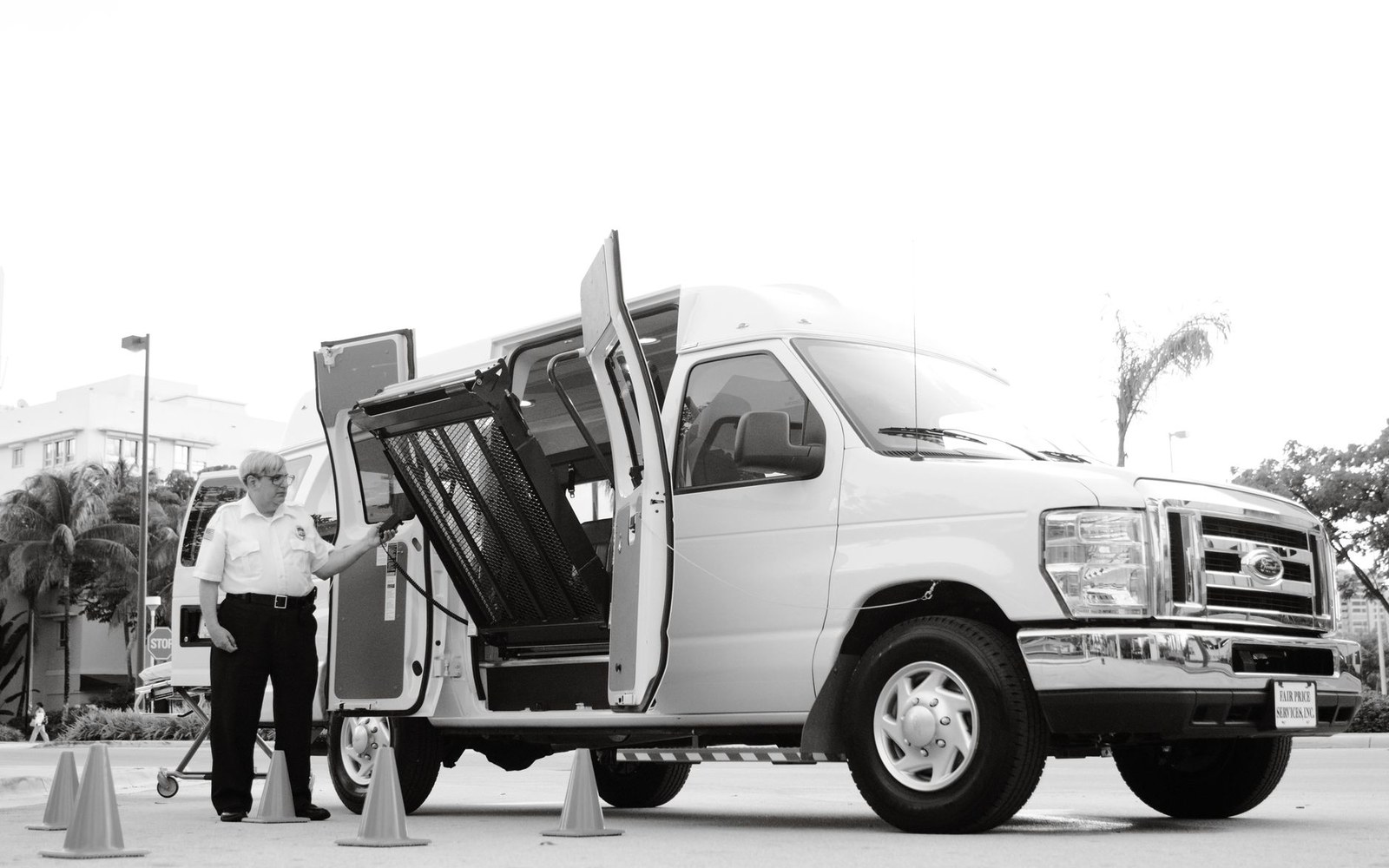
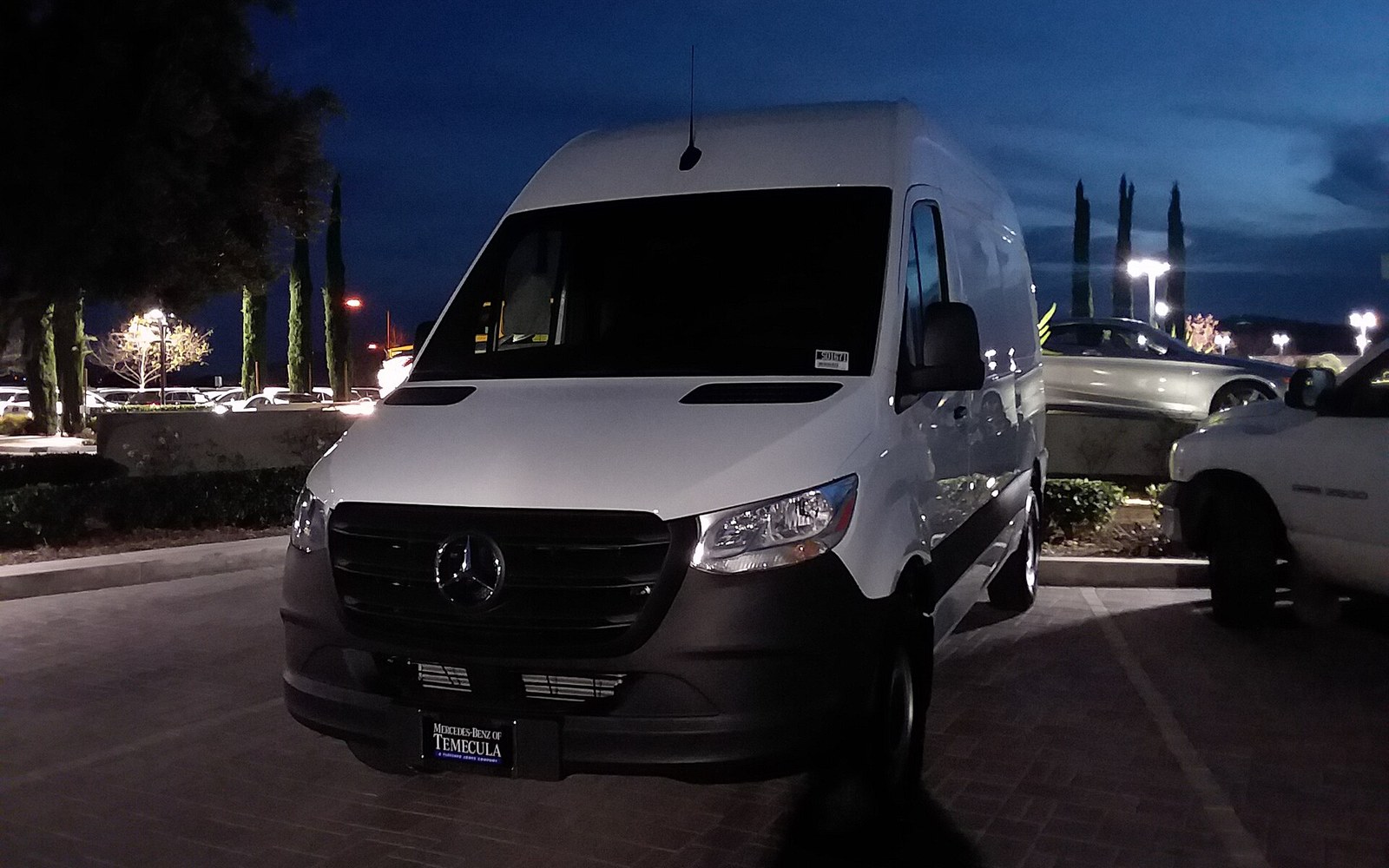
The math was persuasive. A high-roof Sprinter 2500 configured as an executive conversion — captain's chairs, partition, integrated AV, USB power — could carry eight to ten passengers in conditions that most clients found more comfortable than a stretch limousine's bench seating. It required no structural cut, which meant the FMVSS compliance question was substantially simpler: the coachbuilder operated as a final-stage manufacturer completing a vehicle whose primary safety geometry remained intact. The resulting product carried none of the annual inspection overhead imposed on modified stretches by post-2016 California law.
In the Santa Ynez Valley corridor — where operators running Highway 154 and US Route 101 compete for wine-country day-charter business — the Sprinter conversion's practical advantages are specific. The vehicle clears the tighter winery approach roads that branch off Foxen Canyon and Ballard Canyon without the turning-radius penalty of an extended wheelbase. It parks where a stretch cannot. In Solvang, where the 1911 Danish-colony street grid was never designed for vehicles over roughly twenty feet, a stretch limousine poses a genuine drop-off problem that a Sprinter sidesteps. The Sprinter also idles more efficiently, an operational consideration on the deadhead runs back to Santa Barbara that are an unavoidable part of Santa Ynez Valley work.
The National Limousine Association, whose membership data tracks fleet composition across affiliated operators, has reported a consistent multi-year trend away from traditional stretches and toward Sprinter-class and SUV vehicles. NLA survey data from the early 2020s indicated that Sprinter-type executive vans had become the plurality vehicle type in many regional fleets, displacing the stretch limousine from its historic default position. The shift was not uniform — event-heavy markets such as Las Vegas retained stretch demand longer — but in wine-country and airport-transfer markets, the transition was faster.
What Clients Stopped Wanting
Regulatory and operational pressures explain part of the shift, but demand changed independently. The stretch limousine's cultural meaning mutated over the period in ways that worked against it in the high-value corporate and wine-country segment. By the 2010s the vehicle had become more closely associated with bachelor and bachelorette events, prom nights, and budget party packages than with executive travel. Clients booking a premium day charter in the Santa Ynez Valley — the kind of itinerary generated by the wine economy around the Sta. Rita Hills AVA or Happy Canyon AVA — tended to request the Sprinter or the Suburban explicitly, treating the stretch as a signal they did not want to send.
This perceptual shift was not universal or instantaneous, but it was commercially decisive. When the client who had historically driven stretch demand stopped requesting it, operators had little incentive to absorb the inspection and insurance costs of maintaining units that would sit idle. Commercial livery insurance carriers had already begun pricing modified-stretch coverage at a premium, reflecting both crash-loss history and the elevated liability exposure of vehicles whose post-conversion compliance documentation was sometimes incomplete. The combination — higher carrying costs, softer demand, tighter regulation — made fleet replacement decisions straightforward.
What Remains, and Where
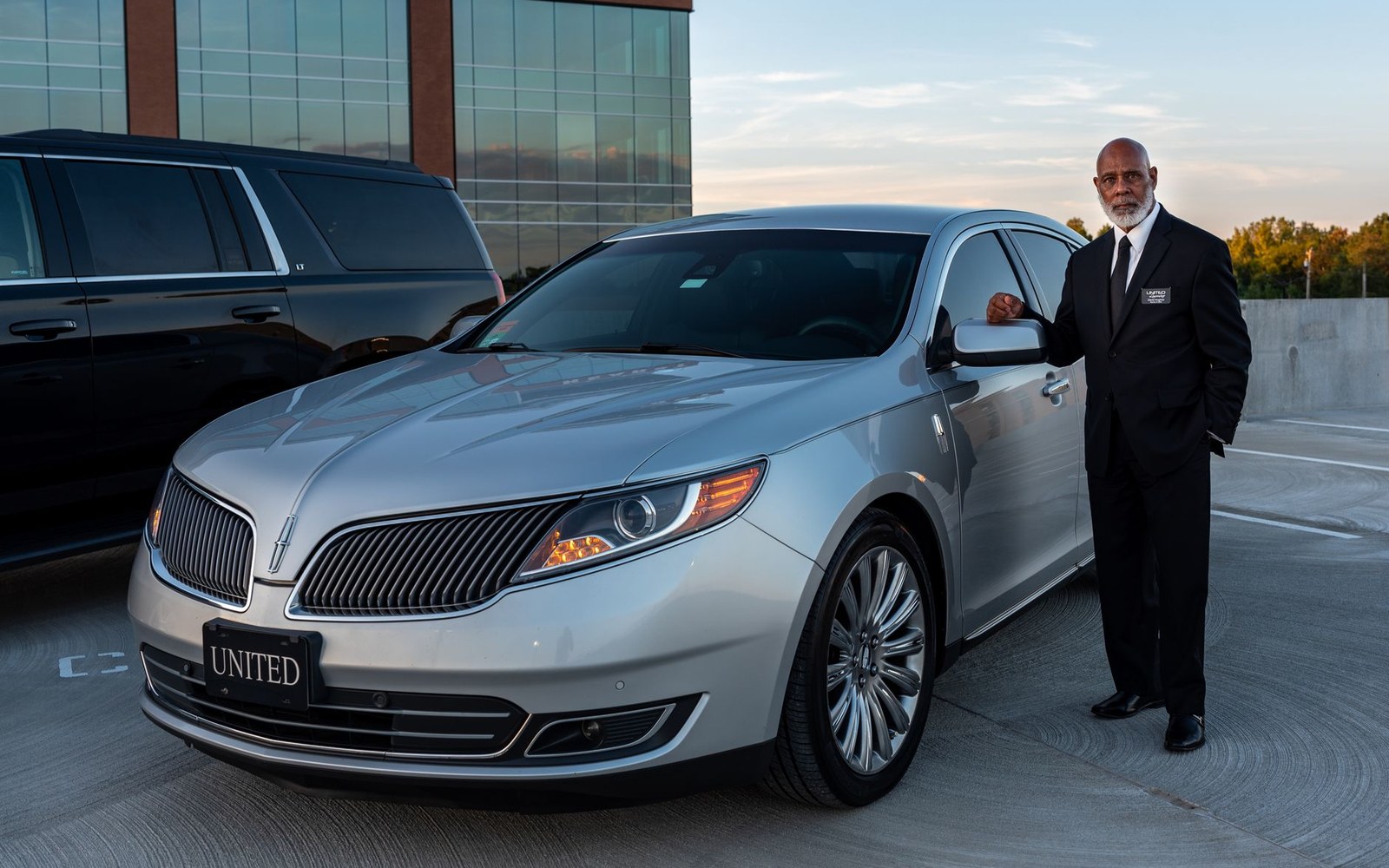
The stretch has not disappeared entirely; it has retreated to a narrower set of use cases. Formal occasions — certain weddings, graduation events, civic ceremonies — continue to generate bookings, and a small number of operators maintain one or two units for that purpose while running Sprinters and SUVs as their primary revenue vehicles. The ultra-luxury end of the market, served by vehicles like the Cadillac Series 75 or the contemporary Cadillac CT6-based platform, retains a niche presence, though those vehicles have always occupied a different category from the mass-market stretch.
In Santa Barbara County specifically, the geography reinforces the trend. The San Marcos Pass section of Highway 154 — a winding climb with tight switchbacks and grades that test longer wheelbases — penalises the stretch in ways it does not penalise a Sprinter or a full-size SUV. Operators who run that corridor regularly describe the pass as a de facto length constraint: a full-length stretch that handles the straight sections of the 101 through Montecito becomes a more deliberate project over the pass. The Sprinter simply drives it more easily, and easier operations compound into lower costs over time.
The NTSB's post-2015 findings, which documented the risks embedded in improperly certified modifications, gave regulators the evidence base to act and gave insurance carriers the loss data to reprice. The industry's response was not resistance so much as substitution — moving client demand toward vehicle classes that did not carry the same compliance burden. The stretch limousine may persist as a ceremonial object, but its era as the default chauffeured vehicle is over.