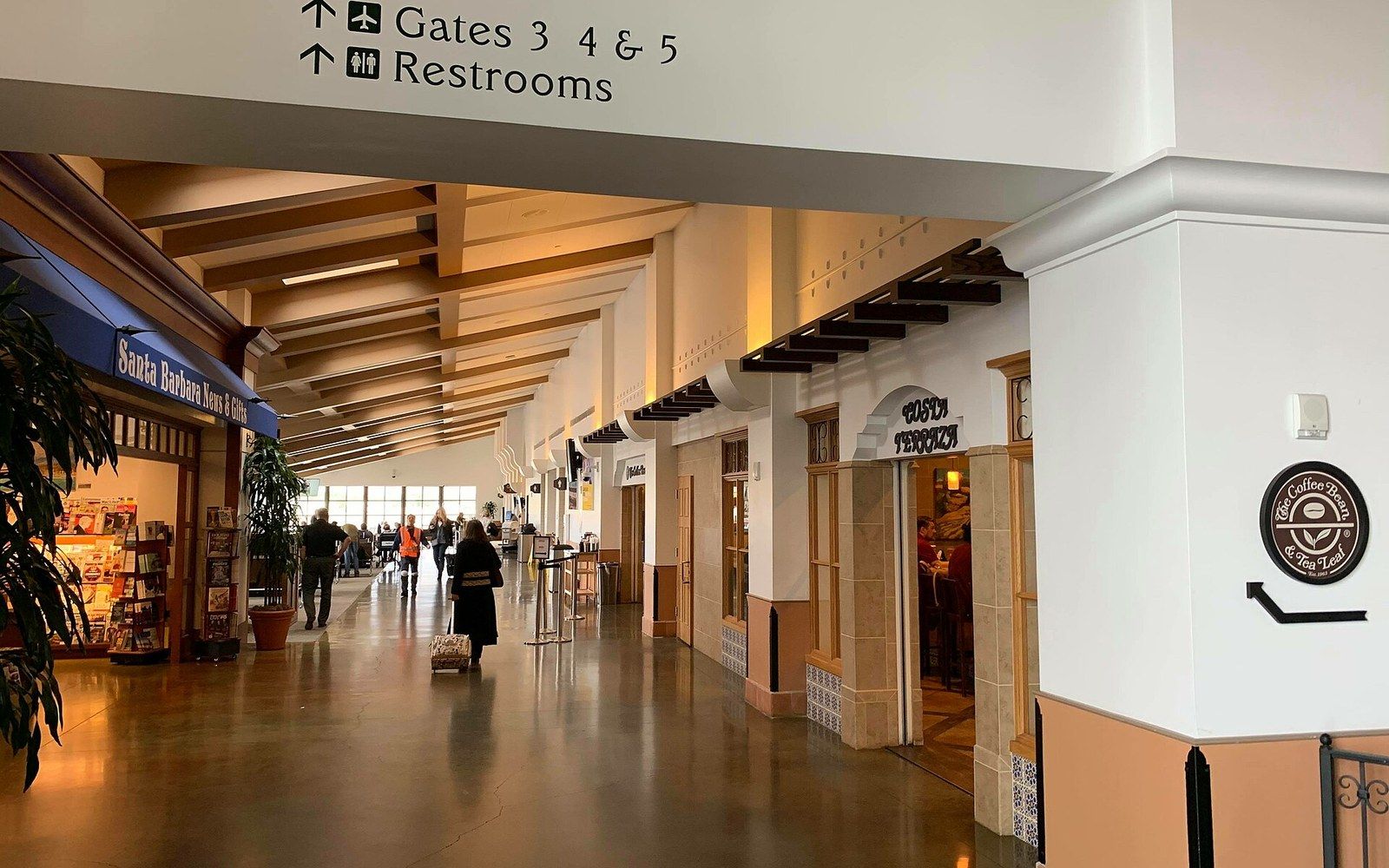
The Terminal and Its Footprint
Santa Barbara Municipal Airport sits on a modest patch of land in Goleta, roughly eight miles northwest of downtown Santa Barbara via US Route 101. The facility handles commercial service through a single passenger terminal — a low-slung, open-air structure that reflects the county's architectural review standards more than it resembles the glass-and-steel volumes of a hub airport. Carriers serving the airport include United and American, with connections routed primarily through Los Angeles International Airport and San Francisco. Passenger volumes are modest by California standards: the airport consistently processes fewer than one million enplanements annually, a ceiling that shapes every commercial ground-transport calculation tied to it.
That compact throughput matters to the TCP operator — the holder of a Transportation Charter-Party permit issued by the California Public Utilities Commission — because it sets a hard limit on how often a vehicle positioned at curbside will actually load a fare. At LAX, a carrier can run sequential pickups through the arrivals loop; at Santa Barbara Municipal, a single pickup may represent the entire productive work of a two-hour positioning window.
The Permit Layer
Ground transportation at Santa Barbara Municipal Airport operates under a permit system administered by the airport itself, layered on top of the CPUC's TCP requirements. Operators must hold both credentials simultaneously: the state charter-party authorization and the airport's own ground transportation permit, which governs curbside access, dwell time, and — critically — fee obligations. The airport charges a per-trip fee on commercial ground transportation operators, a structure documented in the airport's ground transportation regulations that is designed to recover the cost of curbside infrastructure and enforcement.
The California Highway Patrol and the CPUC's Transportation Enforcement Branch share jurisdiction over permit compliance. A carrier found operating at curbside without a valid TCP permit is subject to citation under California Public Utilities Code; a carrier without the airport's own authorization faces separate administrative action. The layered structure is not unusual — most California commercial airports maintain their own ground transportation ordinances alongside state licensing — but the combination of per-trip fees and relatively low pickup frequency is a defining feature of SBA's economics.
Why the Run Is Low-Margin
The arithmetic works against the short airport transfer in ways that a valley day charter does not. A typical SBA pickup from, say, Montecito or the downtown hotel corridor involves a positioning leg before the pickup, a terminal wait, the transfer itself (rarely more than fifteen minutes of fare-generating drive time), and then a deadhead back to base if no return fare is queued. The round-trip distance is brief, but the uncompensated time is substantial relative to the revenue generated.
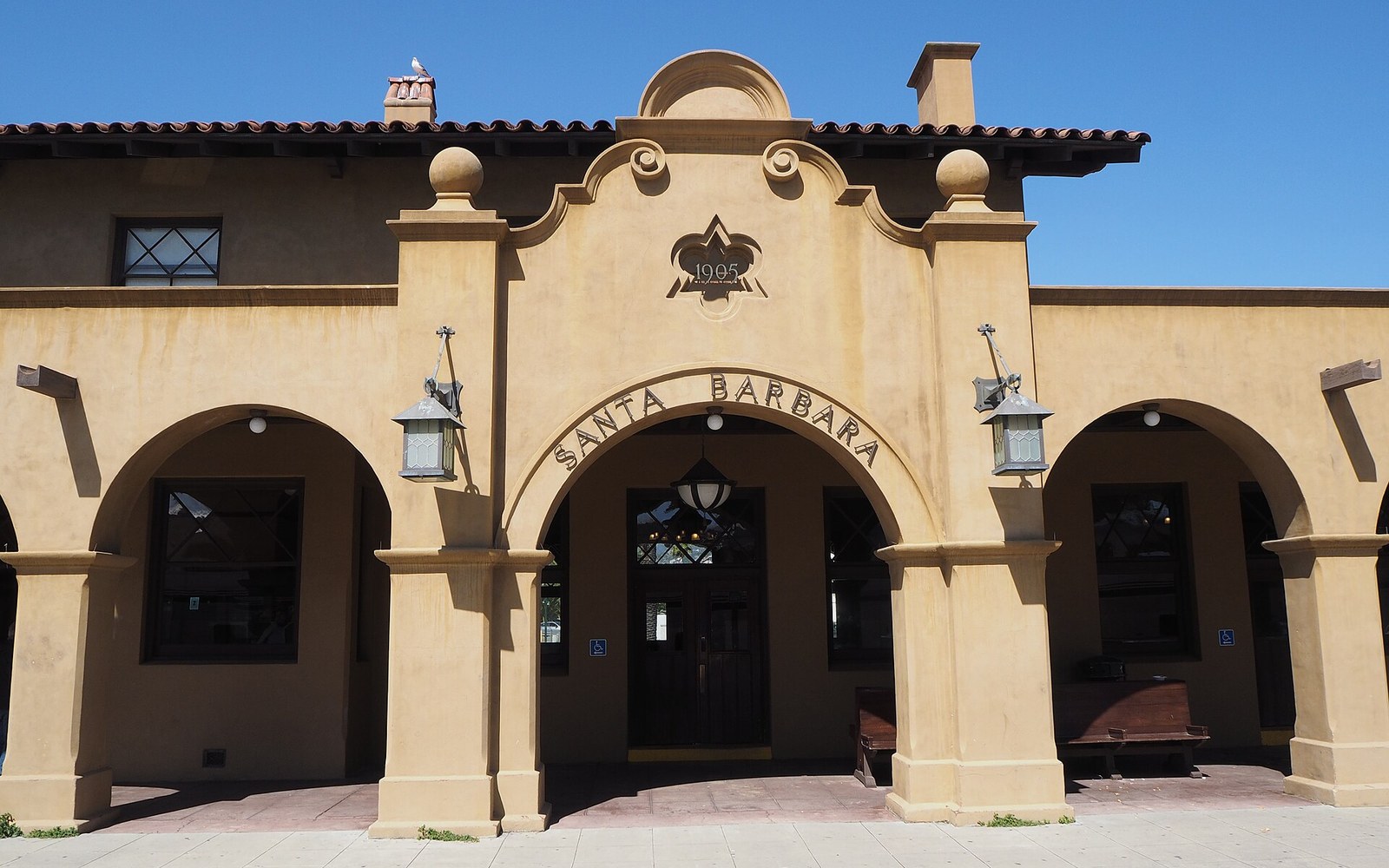
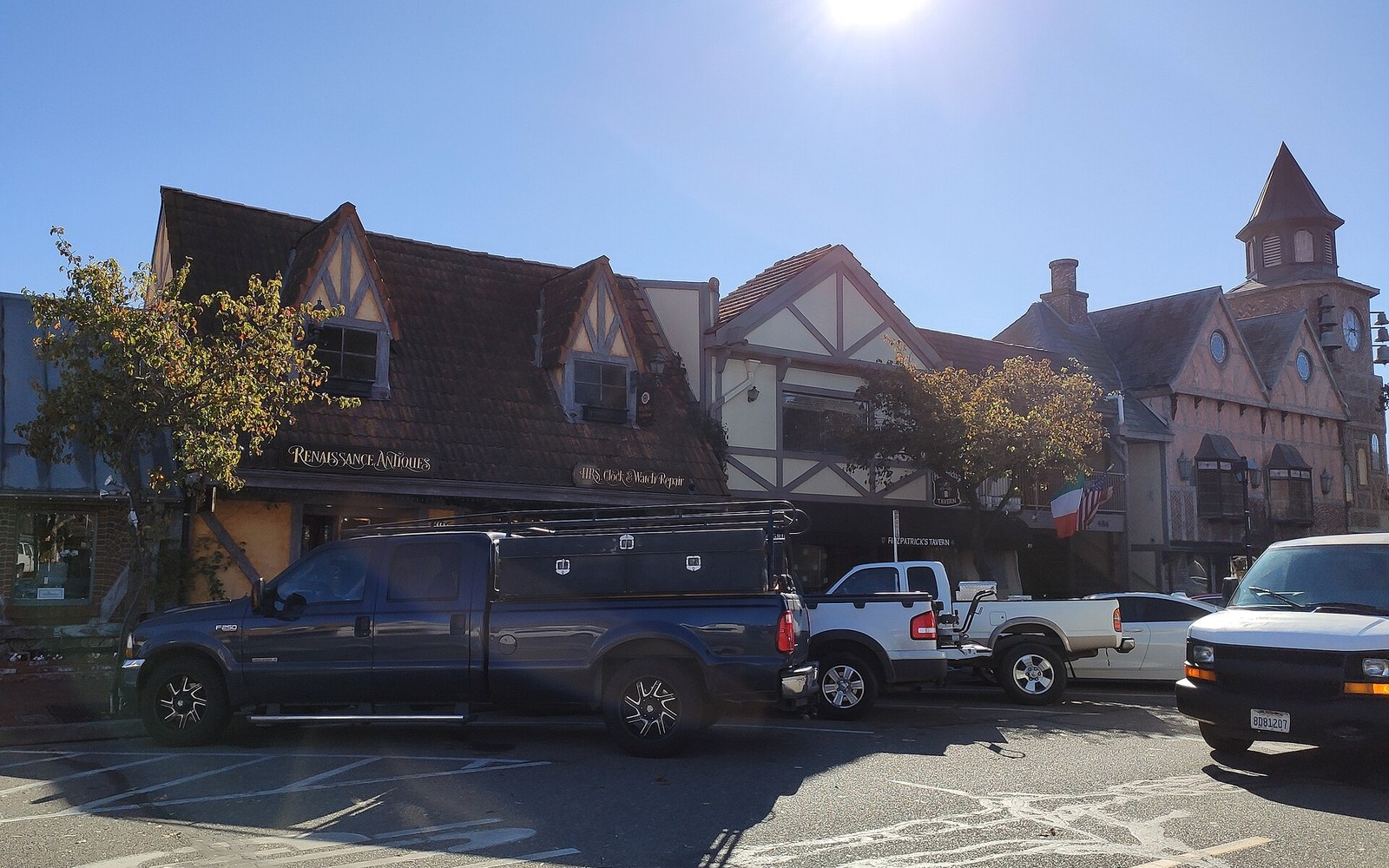
Compare that structure to a wine-country day charter originating in Santa Barbara, running through the Santa Ynez Valley via Highway 154 over San Marcos Pass, and returning four to six hours later. The vehicle is productive for the bulk of that window. The airport transfer offers none of that utilization efficiency. A carrier pricing the SBA run to cover vehicle cost, insurance, the per-trip airport fee, CHP-mandated inspection compliance, and driver time is working with a narrow margin — and that is before accounting for flight delays, which extend the wait without extending the fare.
Insurance compounds the squeeze. Commercial livery policies in California are rated in part on vehicle class and trip profile; a high-frequency airport shuttle operation carries a different actuarial profile than occasional charter work, and premiums reflect it. Operators who concentrate on airport work must price the per-trip fee, fuel, and insurance load against a fare ceiling set partly by what ride-hail platforms charge on the same corridor — platforms that operate under a different regulatory and cost structure than a TCP carrier.
The result is a segment that most small TCP operators in Santa Barbara County treat as a supplement rather than a foundation. The airport run fills gaps in a schedule built around valley charters and corporate accounts; it is rarely the economic engine. Operators who do specialize in SBA volume typically do so through pre-negotiated hotel contracts or corporate accounts that guarantee a minimum number of trips, spreading the per-trip overhead across a predictable base rather than chasing individual arrivals through an unpredictable queue.