The Route and Its Numbers
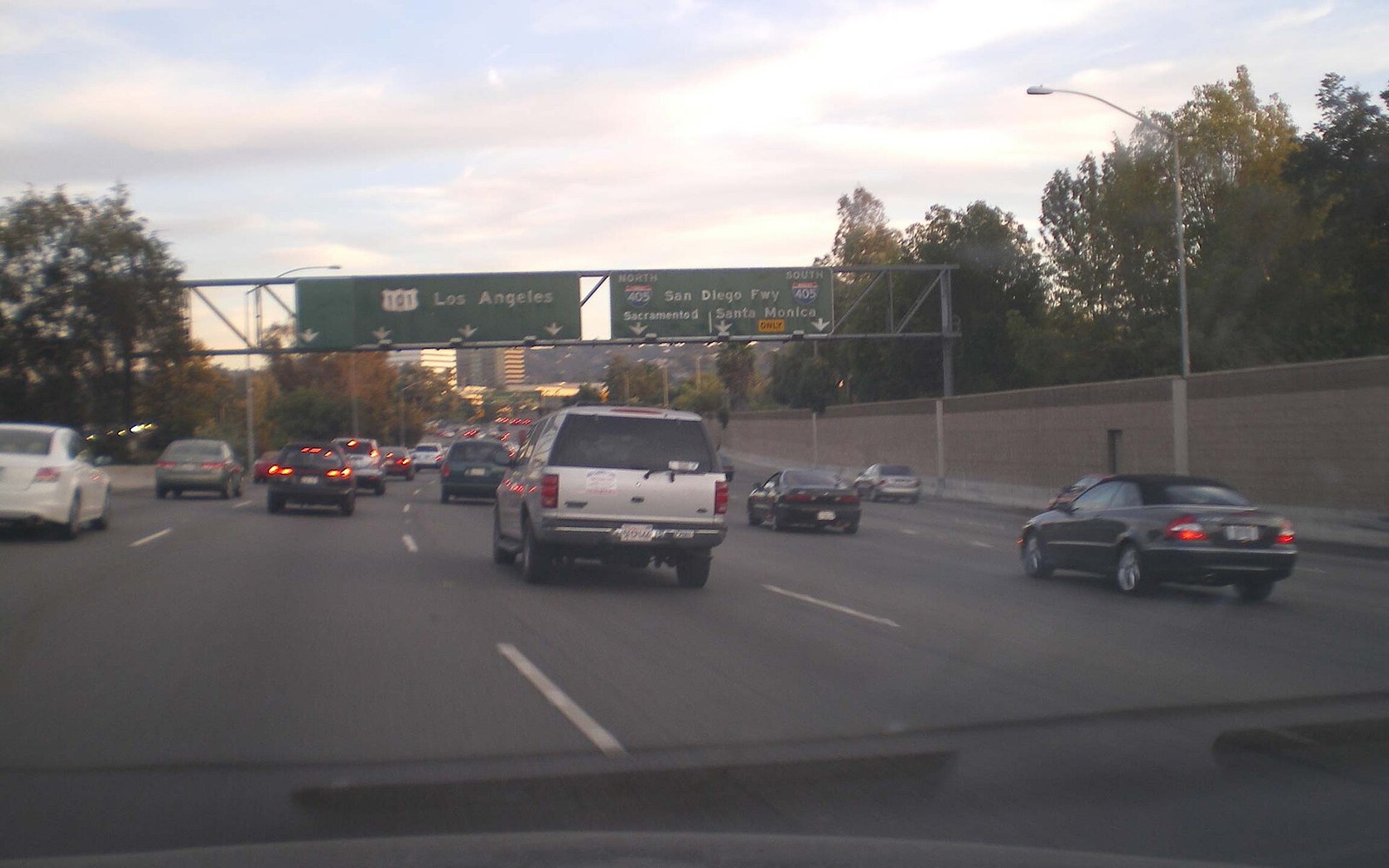
Santa Barbara Municipal Airport handles most of the county's short-haul regional flying, but for international departures, long-haul domestic routes, and fares that can't justify the SBA premium, travelers head south to Los Angeles International Airport. The drive is roughly 100 miles in each direction — approximately 28 miles on US Route 101 to the junction at Ventura, then south through Oxnard and the San Fernando Valley to LAX. Depending on the time of day and where in greater Los Angeles traffic thickens, road time runs 90 minutes to well over two hours each way. For a TCP permit holder — a charter-party carrier authorized by the California Public Utilities Commission — that is a substantial commitment of vehicle, fuel, and driver time before a single return mile is driven.
The Deadhead Problem
The structural difficulty of the airport run is the deadhead: the return trip made without a paying passenger. A deadhead represents costs — fuel, driver hours, wear — with no corresponding revenue. On a 100-mile one-way trip, the deadhead doubles the effective cost base of the job.
Consider the math at current California pump prices and standard livery fuel economies. A Mercedes-Benz Sprinter executive conversion might return 18–22 mpg on the freeway; a Cadillac Escalade ESV runs closer to 14–17. At approximately 200 miles of total driving, fuel alone costs a Sprinter operator somewhere in the range of 10–12 gallons, a full-size SUV rather more. Add the driver's compensated time — under California labor law, portal-to-portal — and roughly three to five hours of paid time must be absorbed in the round trip before any vehicle amortization, insurance, or CPUC compliance overhead is counted.
The National Limousine Association's published market data has consistently shown that transfer pricing (airport runs) benchmarks below day-charter pricing on a per-hour basis, even when minimums apply. A Santa Barbara–LAX one-way transfer marketed at $300–$400, a figure common in public-facing regional rate surveys, leaves an operator recovering $150–$200 in effective net revenue after the deadhead — a margin that narrows quickly when the return involves an hour of congestion time. The CPUC's charter-party framework does not set fares; it regulates the prearranged contract structure and permits. Rate-setting is left to the market, which means operators absorb the full deadhead exposure without regulatory offset.
What Operators Do About It
Experienced Santa Barbara TCP carriers manage the LAX exposure in a few ways. The most straightforward is matching: scheduling two runs in opposing directions so the outbound trip for one client funds the return trip for another. The corridor generates enough volume — particularly around SBA's limited connection schedule and early-morning LAX departures — that match opportunities exist, but they are not guaranteed and require either a dispatch coordinator or software to surface.

A second strategy is minimum-hour billing. Some operators structure the LAX run as a three- or four-hour minimum, bringing the effective rate closer to day-charter economics and giving the driver time to stage near the airport without the meter running. This is legally permissible under CPUC charter-party rules, which allow carriers to set their own prearranged rates and minimums.
The third strategy — increasingly common — is the comparison to the day-charter alternative. A full-day wine-country charter in the Santa Ynez Valley, where the vehicle and driver remain with the client for six to eight hours, generates revenue across the entire window with no deadhead: the vehicle begins and ends in Santa Barbara. For operators weighing where to invest vehicle time, the day charter wins on margin. The LAX run wins on volume, predictability, and the client relationship it builds — an airport client who travels regularly is worth more than the single transfer suggests.
Why Operators Stay In It
None of this means the Santa Barbara–LAX run is unprofitable. Experienced operators know their cost basis precisely, price minimums accordingly, and route the deadhead efficiently. The corridor is also a reputational anchor: consistent, on-time airport performance is among the highest-converting referral sources in the chauffeured-car trade. The math is hard, but it is also learnable — and the operators who have learned it build their scheduling week around the run rather than away from it.